 AVISUAL
The test: what does the viewer learn
Every shot in a film should tell the viewer something. For an aerial shot, ask what a person learns from it that they could not learn from the ground.
If the answer is a fact about place or size, the shot has a job. If the answer is that it looks impressive, it will be the first thing an editor removes when the film runs long.
What aerial shots are good for
Setting
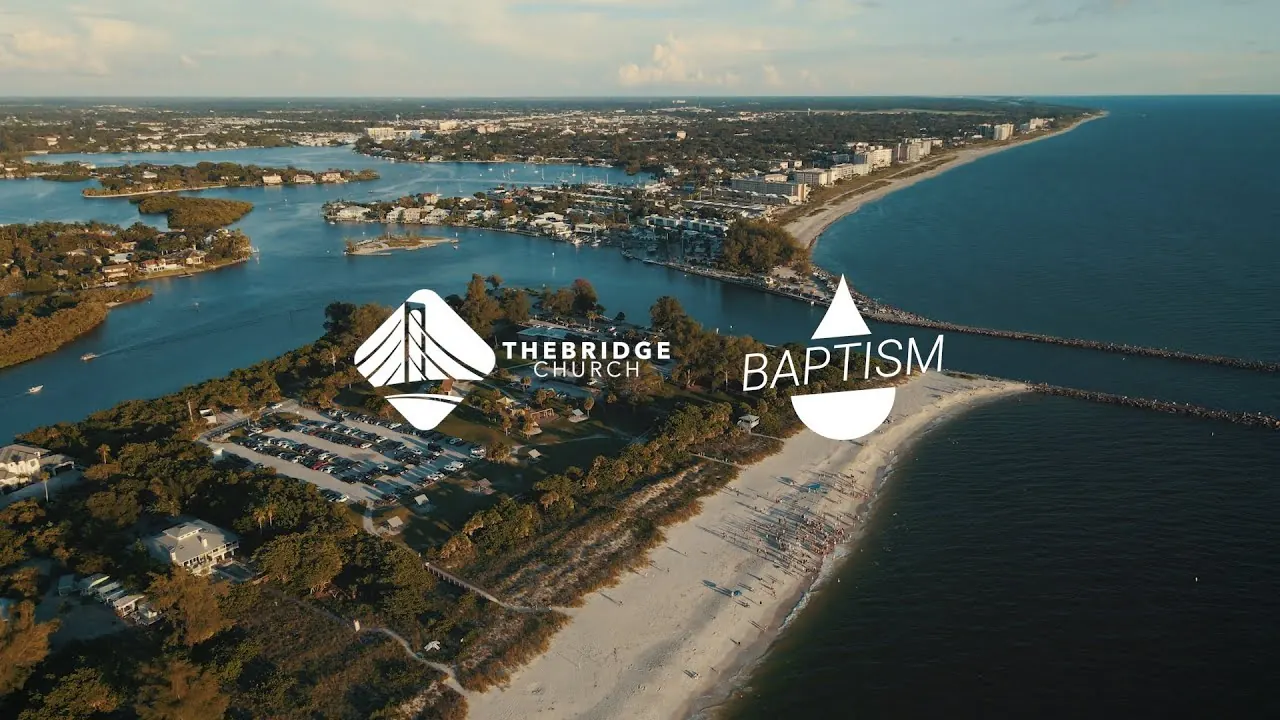
Where something is in relation to what surrounds it: the beach across the road, the marina beside the restaurant, the open land around a plant.
Scale
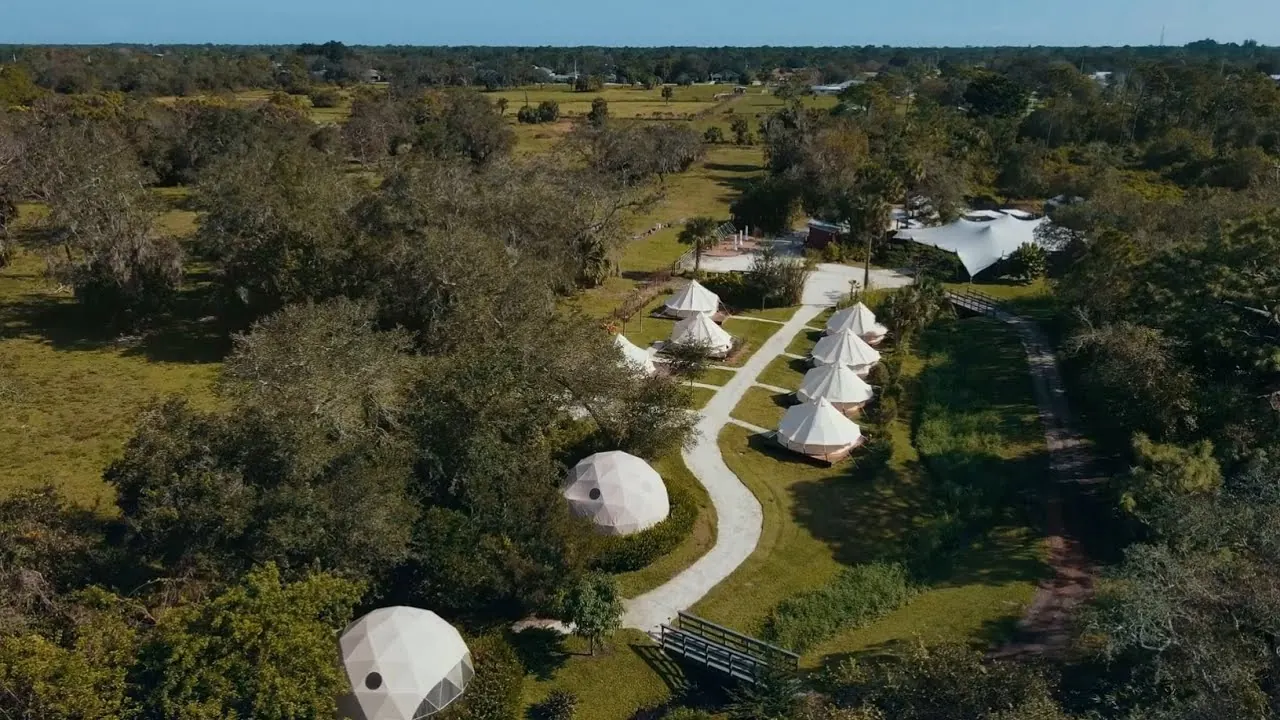
How large a site, a crowd or an operation is. A festival field or a yard full of equipment reads immediately from above and hardly at all from eye level.
Arrival
The approach a visitor will take. A shot that moves toward an entrance works as a first sentence: this is where we are going.
Layout
How the parts of a venue connect. Planners and group organizers want to see the distance from the ballroom to the lawn or from the parking to the stage.
A pause
A wide, slow shot between two dense sections gives the audience a moment to absorb what they heard before the next speaker begins.
From the air a film can show where and how big. It cannot show who or why.
Where aerial footage adds nothing
In these cases the time is better spent on another scene at ground level.
Stories about people
A testimonial, an interview or a staff profile depends on faces and voices. A view from above makes people small and anonymous.
Work that happens indoors
A clinic, a law office or a kitchen is defined by what goes on inside. The roof says nothing about the service.
An unremarkable exterior
Height shows everything, including the parking lot, the air handling units and the neighbors. If the surroundings do not flatter the business, do not film them.
Very short edits
A fifteen-second cut has room for a few ideas. A wide shot with no person or product in it is seldom one of them.
A rescue for thin material
When a film lacks a clear message, sweeping shots are tempting filler. They make it longer without making it clearer.
How much is enough
In most finished films, aerial footage amounts to a handful of shots: an opening, perhaps one in the middle, sometimes a closing image. That is a few seconds each, chosen from a longer flight.
This matters for planning. You are not commissioning minutes of flying. You are commissioning three or four specific views, and it pays to name them before the day: the approach from the water, the whole site at once, the terrace at dusk.
Planning around weather, light and restrictions
- 01
Check the location first
Whether a flight is possible at a given site depends on airspace rules, the owner's permission and local restrictions, which can apply to parks, beaches and venues. Have your production partner confirm this before anyone builds a concept around a shot.
- 02
Choose the hour for the light
Early and late in the day the sun is low, shadows give the ground shape and water holds color. At midday the same scene looks flat and glare comes off roofs and pavement.
- 03
Expect weather to decide
Wind, rain and low cloud can ground a flight even when the ground crew could keep working. On the Florida coast, summer afternoons often bring storms, so morning slots are safer in those months.
- 04
Schedule a second window
Agree an alternative time or day when the shoot is booked. Aerial shots are the part of a production most likely to move.
- 05
Keep the film independent of it
Write the script so it still works if the aerial shots cannot be filmed. They should strengthen the opening, not carry it.
People and privacy from above
A wide view takes in more than your own site. Neighbors, passers-by, beachgoers and vehicles can all end up in frame without anyone intending it.
Raise this during planning. Shots can usually be angled or timed so that people who are not part of the production cannot be identified, and anything doubtful can be left out in the edit.